Depression: When Everything Looks Fine on the Outside
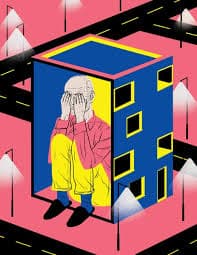
Depression isn’t always about crying, staying in bed or feeling sad all the time. Sometimes, it means continuing with everyday life, smiling at people and saying “I’m fine” while quietly struggling on the inside.
Some mornings, even getting out of bed can feel like an achievement. There are responsibilities to take care of, people who need us and things that simply cannot wait. Life carries on, but inside, everything feels a little heavier.
Things we once enjoyed no longer bring us happiness. Meeting friends feels exhausting. Even the smallest tasks can seem overwhelming. Sometimes, we cannot quite explain what is wrong or why we feel this way.
Perhaps you’ve found yourself wondering:
“Why do I feel like this when everything in my life seems to be okay?”
It’s a question many people experiencing depression quietly ask themselves.
What Is Depression? Is It More Than Just Feeling Sad?
We all experience sadness, disappointment and difficult emotions from time to time. These feelings are a natural part of being human. However, depression is more than simply having a bad day or going through a difficult period.
Depression is a mental health condition that can affect the way we think, feel and behave. It can influence our relationships, daily routines, motivation and how we see ourselves and the world around us.
For some people, depression may develop following a difficult life experience, such as bereavement, relationship breakdown, family difficulties or prolonged stress. For others, there may not be one clear reason.
There is no single experience of depression. Everyone’s journey is different, and people may experience it in ways that are not always obvious to those around them.
The Signs of Depression That People Don’t Always Notice
One of the difficult things about depression is that it isn’t always visible.
Someone may continue going to work, looking after their children, attending social events and fulfilling their responsibilities. From the outside, everything may appear normal. Yet, behind closed doors, they may be struggling to find the energy to get through the day.
Some common signs of depression include:
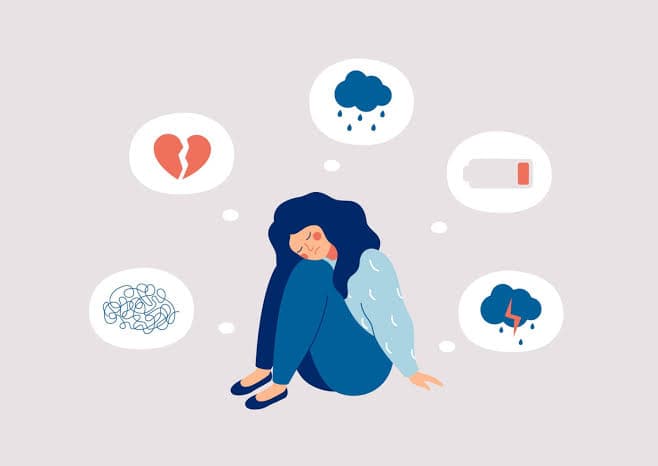
- Feeling persistently sad, empty or hopeless.
- Losing interest in activities that once brought happiness.
- Feeling constantly tired or lacking energy.
- Sleeping too much or struggling with insomnia.
- Changes in appetite or weight.
- Feeling worthless, guilty or overly critical of yourself.
- Withdrawing from friends, family and social activities.
- Finding it difficult to concentrate or make decisions.
- Feeling pessimistic or hopeless about the future.
Depression can also show itself through irritability, frustration, anger or a constant feeling of restlessness.
If you recognise some of these experiences in yourself, please remember that it does not mean you are weak. And needing support is nothing to be ashamed of.
Why Do People Experience Depression?
There is no single cause of depression. It can develop through a combination of biological, psychological, social and environmental factors.
Some experiences and circumstances that may contribute to depression include:
- Difficult or painful childhood experiences.
- Relationship difficulties, separation or divorce.
- Bereavement and loss.
- Long-term stress and emotional exhaustion.
- Loneliness or a lack of emotional support.
- Financial, family or work-related pressures.
- Major changes and challenges in life.
Sometimes, people feel depressed even when they cannot identify anything particularly wrong in their lives.
This can be confusing and may lead to feelings of guilt, especially when someone believes they have no reason to feel unhappy.
But your feelings do not need to be justified by a particular event. You deserve understanding and support, whatever the reason behind your struggles.
Living with Depression: The Feelings We Sometimes Find Difficult to Share
For many people, one of the hardest parts of depression is finding the words to explain how they feel.
You might hear comments such as:
“Just try to get out more.”
“You have so much to be grateful for.”
“You’re overthinking everything.”
Often, these comments come from people who genuinely want to help. However, they can sometimes leave someone feeling even more misunderstood and alone.
The reality is that most people experiencing depression would love to feel better. They don’t choose to lose interest in life, struggle with motivation or feel emotionally exhausted.
Sometimes, what a person needs most isn’t advice or solutions. They simply need someone who will listen without judging, understand without making assumptions and allow them to talk openly about what they are going through.
Being heard can make a meaningful difference.
How Can Therapy Help with Depression?
Reaching out for professional support can be an important step towards understanding and managing depression.
Therapy provides a confidential and supportive space where you can explore your feelings, understand your experiences and begin to develop healthier ways of coping.
Cognitive Behavioural Therapy (CBT), for example, is one of the evidence-based approaches commonly used to support people experiencing depression.
Depending on your individual needs, therapy may help you:
- Recognise and understand difficult emotions.
- Identify unhelpful thinking patterns.
- Develop healthier ways of responding to negative thoughts.
- Set small, realistic goals for everyday life.
- Build self-compassion and improve self-esteem.
- Explore relationship difficulties and emotional challenges.
- Develop practical strategies to manage difficult periods.
There is no one-size-fits-all approach to therapy. What works for one person may not be right for another.
For some people, psychological therapy alongside support from their GP or medication may be beneficial. A qualified healthcare professional can help you explore the options that best meet your needs.
Healing Doesn’t Have to Happen All at Once
Recovery from depression is not always a straight line.
There may be days when things feel easier and others when even small tasks seem difficult again. This doesn’t mean you are going backwards or that you have failed.
Sometimes, progress looks very small.
It might mean getting out for a short walk, preparing a meal, replying to a message you’ve been putting off or simply getting out of bed when you didn’t feel able to.
These moments matter.
Try not to put pressure on yourself to change everything overnight. Give yourself permission to take things one step at a time.
And remember, you don’t have to reach breaking point before asking for help. You deserve support before things become unbearable.
You Don’t Have to Go Through Depression Alone
Living with depression can feel isolating, particularly when you struggle to explain what is happening inside you.
But you are not alone, and support is available.
At Mind Therapy Counselling, we believe that feeling understood is an important part of the therapeutic journey.
We connect people with therapists who understand different languages, cultures and backgrounds. We recognise that being able to express your thoughts and emotions in your own language can make it easier to feel heard, understood and comfortable.
Sometimes, the first step towards feeling better is simply having a conversation with someone who listens.
You deserve to be heard. You deserve to feel understood. And you don’t have to face everything on your own.
If you feel ready to take that first step, explore our therapist profiles and find someone who may be right for you.
Find a Therapist – Mind Therapy Counselling
Website: https://mindtherapycounselling.com
Your feelings matter. Support is available, and it’s okay to ask for help.